


MEDIA
Media Coverage

Published in The Mainichi Shimbun.
Nablus Soap was featured in the November 2025 issue of The Mainichi Shimbun in an article titled "Palestinians' Traditional Soap: A Symbol of Resistance Against Occupation Faces Hardship."


It was featured in the Nikkei newspaper.
This crowdfunding campaign was featured on the front page of the Nikkei newspaper's " Shunju " edition on July 12, 2024.

It was featured in the Tokyo Shimbun newspaper.
This project was featured in the Tokyo Shimbun newspaper on July 4, 2024, in the article " Soap in War, Help !"

It was featured in the Wall Street Journal.
On November 5, 2024, Nablus Soap's current situation in Palestine, " West Bank on the brink of economic collapse, " was published.

It has been registered as a UNESCO Intangible Cultural Heritage.
On December 4, 2024, Nabulsoup was registered as a UNESCO Intangible Cultural Heritage .

Due to the current instability of international shipping caused by the situation in the Middle East, future arrivals may become difficult.
Once current stock runs out, the next restock may be undetermined, so we recommend purchasing soon.


NABLUS SOAP / ナーブルスソープ
[Palestine's Last Soap Factory] Nablus Soap, Traditional Palestinian Soap
[Palestine's Last Soap Factory] Nablus Soap, Traditional Palestinian Soap
Couldn't load pickup availability
【Palestine's Last Soap Factory】
Preserving a UNESCO Intangible Cultural Heritage for the Future

Traditional Nabulsi soap making is a globally recognized culture, registered as a UNESCO Intangible Cultural Heritage.
The manufacturing method, passed down since the 10th century AD, is extremely simple, using only olive oil and natural alkali. This commitment to not adding unnecessary additives has remained unchanged for over 1000 years.
However, due to ongoing conflicts and political instability, only two soap factories are currently operating in Nablus.
Even traditions recognized globally for their value will disappear if there are no people to preserve them and no one to support them.
Nabulsi soap is not only a cultural artifact but also a soap that accompanies daily life.
It is cherished by those with sensitive skin and families with infants.
Because its ingredients are simple, you can truly feel its gentleness on the skin.
\ Please help spread the word /
Nablus1611 Traditional Soap User Review
*Nablus1611 Traditional Soap has been tested by about 30 people in the past. Below are some excerpts from handwritten reviews sent in by those people.
View full details![[Palestine's Last Soap Factory] Nablus Soap, Traditional Palestinian Soap](http://yourorganics.shop/cdn/shop/files/NA-SET-8_509d75a7-63d8-4898-b094-397108a3bc3b.jpg?v=1785310001&width=1445)
![[Palestine's Last Soap Factory] Nablus Soap, Traditional Palestinian Soap](http://yourorganics.shop/cdn/shop/files/banner-nablus-2-1.jpg?v=1740835825&width=1445)
![[Palestine's Last Soap Factory] Nablus Soap, Traditional Palestinian Soap](http://yourorganics.shop/cdn/shop/files/image-nablussoap11.jpg?v=1782290298&width=1445)
![[Palestine's Last Soap Factory] Nablus Soap, Traditional Palestinian Soap](http://yourorganics.shop/cdn/shop/files/4589864720034-8_e229fa5d-111c-415c-980b-5cd0ea9aeb31.jpg?v=1758441156&width=1445)
![[Palestine's Last Soap Factory] Nablus Soap, Traditional Palestinian Soap](http://yourorganics.shop/cdn/shop/files/4589864720034.jpg?v=1779618739&width=1445)
![[Palestine's Last Soap Factory] Nablus Soap, Traditional Palestinian Soap](http://yourorganics.shop/cdn/shop/files/4589864720317_6d03ad75-6101-42d3-b4b7-409cea1abe83.jpg?v=1779618754&width=1445)
![[Palestine's Last Soap Factory] Nablus Soap, Traditional Palestinian Soap](http://yourorganics.shop/cdn/shop/files/4589864720188-8_518f9a21-842d-4953-8d6a-b1fa6c6c5dc4.jpg?v=1758441173&width=1445)
![[Palestine's Last Soap Factory] Nablus Soap, Traditional Palestinian Soap](http://yourorganics.shop/cdn/shop/files/4589864720188.jpg?v=1779618782&width=1445)
![[Palestine's Last Soap Factory] Nablus Soap, Traditional Palestinian Soap](http://yourorganics.shop/cdn/shop/files/4589864720331_9430b4a2-f7d0-407c-803a-b8838966516f.jpg?v=1779618795&width=1445)
![[Palestine's Last Soap Factory] Nablus Soap, Traditional Palestinian Soap](http://yourorganics.shop/cdn/shop/files/4589864720027-8_36ea5ea4-97a9-4e92-9080-933110b9f566.jpg?v=1758441196&width=1445)
![[Palestine's Last Soap Factory] Nablus Soap, Traditional Palestinian Soap](http://yourorganics.shop/cdn/shop/files/4589864720027.jpg?v=1779618815&width=1445)
![[Palestine's Last Soap Factory] Nablus Soap, Traditional Palestinian Soap](http://yourorganics.shop/cdn/shop/files/4589864720324_7d8c8bb4-377c-43d2-b2bb-8d223b2b0b95.jpg?v=1779618828&width=1445)
![[Palestine's Last Soap Factory] Nablus Soap, Traditional Palestinian Soap](http://yourorganics.shop/cdn/shop/files/4589864720058-8_0f9eb116-dda8-4b5c-a70e-24761df8684c.jpg?v=1758441213&width=1445)
![[Palestine's Last Soap Factory] Nablus Soap, Traditional Palestinian Soap](http://yourorganics.shop/cdn/shop/files/4589864720058_68485efe-5a70-4ad8-b0df-f5e881ca10d6.jpg?v=1779619878&width=1445)
![[Palestine's Last Soap Factory] Nablus Soap, Traditional Palestinian Soap](http://yourorganics.shop/cdn/shop/files/4589864720362_1306e473-3220-4ba5-9f23-d91fdd50943a.jpg?v=1779619892&width=1445)
![[Palestine's Last Soap Factory] Nablus Soap, Traditional Palestinian Soap](http://yourorganics.shop/cdn/shop/files/4589864720041-8_93225bca-7a98-4f30-964f-5a24be5a62d0.jpg?v=1758441229&width=1445)
![[Palestine's Last Soap Factory] Nablus Soap, Traditional Palestinian Soap](http://yourorganics.shop/cdn/shop/files/4589864720041_a2fac0ea-d5d8-47fd-99fa-b2d7e99fc02f.jpg?v=1779619943&width=1445)
![[Palestine's Last Soap Factory] Nablus Soap, Traditional Palestinian Soap](http://yourorganics.shop/cdn/shop/files/4589864720355_8444eb56-6f5f-44e8-81df-753cc192e2fa.jpg?v=1779623910&width=1445)
![[Palestine's Last Soap Factory] Nablus Soap, Traditional Palestinian Soap](http://yourorganics.shop/cdn/shop/files/4589864720065-8_ad88cb36-0880-4ae9-a17e-3bce5d268d25.jpg?v=1758441247&width=1445)
![[Palestine's Last Soap Factory] Nablus Soap, Traditional Palestinian Soap](http://yourorganics.shop/cdn/shop/files/4589864720065.jpg?v=1779619981&width=1445)
![[Palestine's Last Soap Factory] Nablus Soap, Traditional Palestinian Soap](http://yourorganics.shop/cdn/shop/files/4589864720010-8_d7eb70ba-0b44-481f-b4a4-a38e59a07c50.jpg?v=1758441263&width=1445)
![[Palestine's Last Soap Factory] Nablus Soap, Traditional Palestinian Soap](http://yourorganics.shop/cdn/shop/files/4589864720010.jpg?v=1779620004&width=1445)
![[Palestine's Last Soap Factory] Nablus Soap, Traditional Palestinian Soap](http://yourorganics.shop/cdn/shop/files/4589864720300_48e49846-f678-4008-8151-624680e4283a.jpg?v=1779620547&width=1445)
![[Palestine's Last Soap Factory] Nablus Soap, Traditional Palestinian Soap](http://yourorganics.shop/cdn/shop/files/4589864720164-8_85677dbc-d7fc-4cd5-b23e-fb26547a0aa4.jpg?v=1758443124&width=1445)
![[Palestine's Last Soap Factory] Nablus Soap, Traditional Palestinian Soap](http://yourorganics.shop/cdn/shop/files/4589864720164.jpg?v=1779620107&width=1445)
![[Palestine's Last Soap Factory] Nablus Soap, Traditional Palestinian Soap](http://yourorganics.shop/cdn/shop/files/4589864720348_2b1858dc-c9e7-42c6-8a04-23cd5534ff01.jpg?v=1779620501&width=1445)
![[Palestine's Last Soap Factory] Nablus Soap, Traditional Palestinian Soap](http://yourorganics.shop/cdn/shop/files/4589864720072-8_961572f3-000a-4775-bd55-3d6c10b55eab.jpg?v=1758441127&width=1445)
![[Palestine's Last Soap Factory] Nablus Soap, Traditional Palestinian Soap](http://yourorganics.shop/cdn/shop/files/4589864720072_688cd767-dd99-486a-99a4-3db602dc06dd.jpg?v=1779620059&width=1445)
![[Palestine's Last Soap Factory] Nablus Soap, Traditional Palestinian Soap](http://yourorganics.shop/cdn/shop/files/4589864720386_e1e7bdc2-9e26-49ef-a456-c65894f7b18e.jpg?v=1779620070&width=1445)
![[Palestine's Last Soap Factory] Nablus Soap, Traditional Palestinian Soap](http://yourorganics.shop/cdn/shop/files/4589864720263-1_814aa87e-ca26-4deb-ad1f-8974380401aa.jpg?v=1779620088&width=1445)
![[Palestine's Last Soap Factory] Nablus Soap, Traditional Palestinian Soap](http://yourorganics.shop/cdn/shop/files/nablus_history_63c9aa28-9c7a-43a2-8d0d-9f4676acbee0.jpg?v=1754895907&width=1445)
-
-

Choosing this soap helps to carry on 1000 years of Palestinian culture and skill into the future.
Even with a ceasefire, the reality on the ground has not changed.
The situation in the Palestinian West Bank remains unstable.
This instability has also affected traditional industries.Soap making is no exception.
Nevertheless,
This factory has kept its fires burning for over 400 years.
Founded in 1611 (11 years after the Battle of Sekigahara).
Currently, there are only two traditional soap factories remaining in Palestine.
This factory is one of them.
And,
It is also the only one whose products are shipped worldwide. -

War hits Nablus region in the West Bank
The situation in the Palestinian West Bank is simply speechless.
The current fighting has already spread beyond Gaza to the whole of Palestine, resulting in many civilian casualties , especially children and women . -
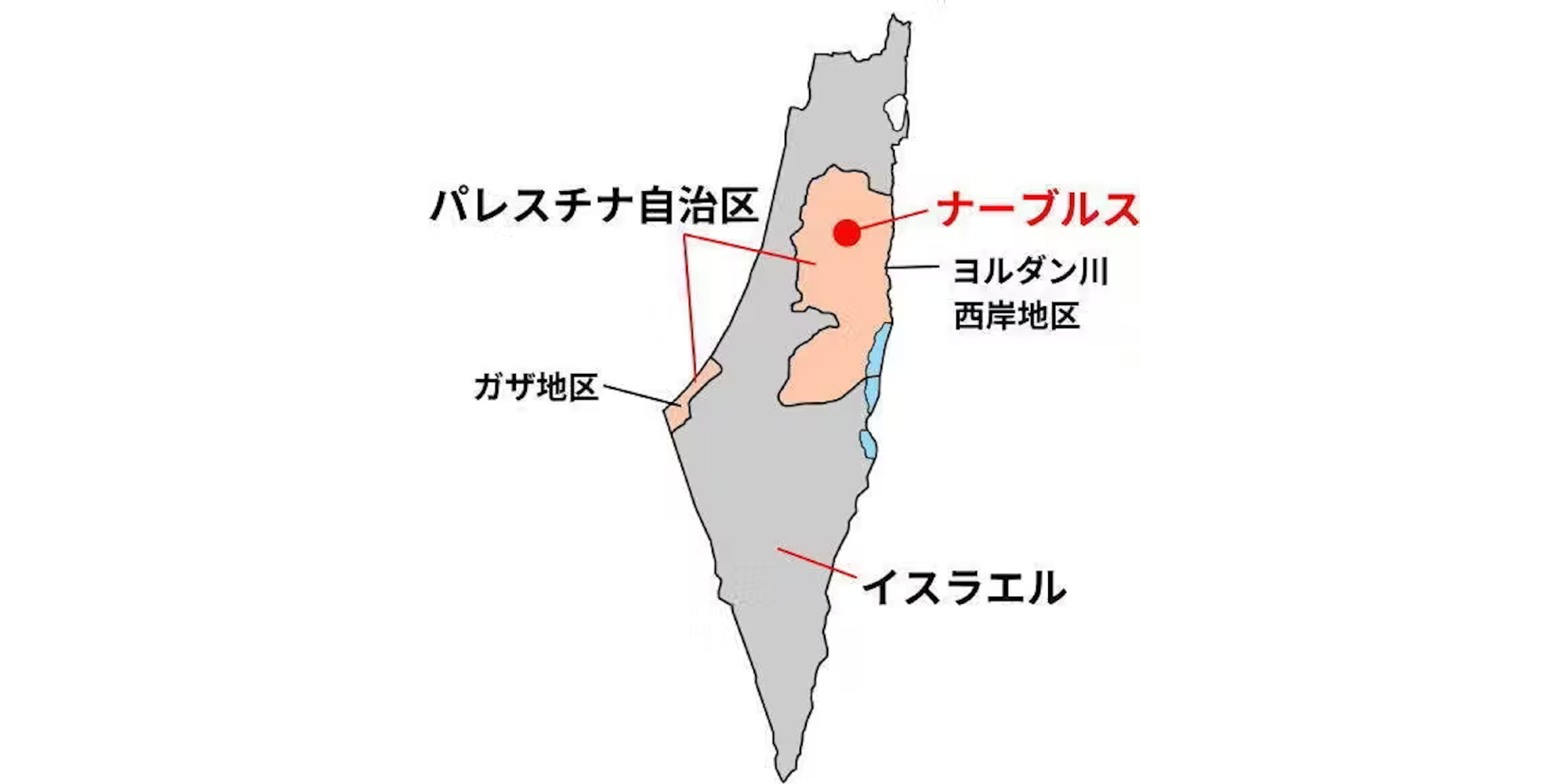
Farms that produce olives, the main raw material for soap, also became battlefields, with settlers cutting down and burning the olive trees.
As a result, most of the olive trees failed to bear fruit last year.
Then, on April 15, 2024, a victim was found among the family who ran the soap factory. -
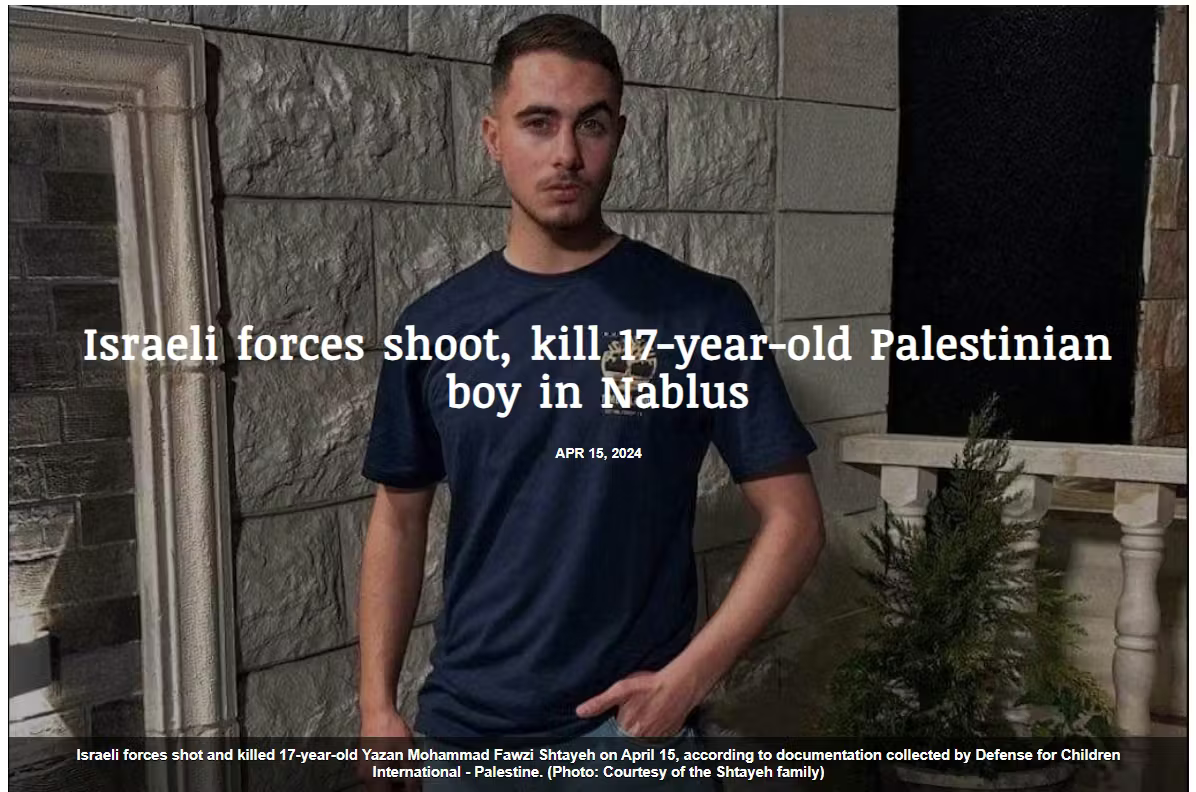
*Note: The boy in the photo is another victim and is not a relative of theirs.
The Nablus region of the West Bank is a peaceful place located in stark contrast to Gaza.
It was supposed to be a place of safety.
There was almost no local information available in Japanese, so I obtained information in English, but the reality that was described was nothing but tragic, and I was simply speechless at the devastation.
Now gunfire rings out every day and ordinary citizens fall victim to violent bullets every day.
Since October 7, 2023, when the full-scale military attack on the Gaza Strip began, 117 children living in the Strip have lost their lives. -
The last soap factory in Palestine
Nablus soap has been made in the West Bank of Palestine since the 10th century, but political tensions, military conflicts and repeated wars have caused many factories to close.
Of the dozens of factories that existed in the 1900s, only two remain today. -
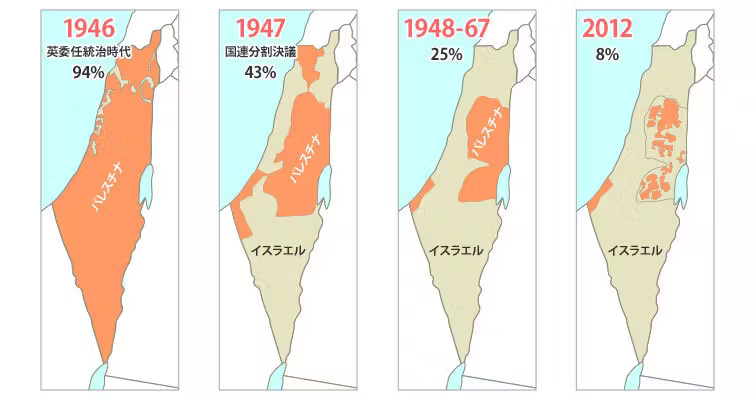
(Source: PASSIA)
Its history is long, and existing records show that soap trade began in this region around the 10th century.
In the 15th and 16th centuries, it was distributed to every corner of the Mediterranean islands, and from there it found its way to Queen Elizabeth I of England. -
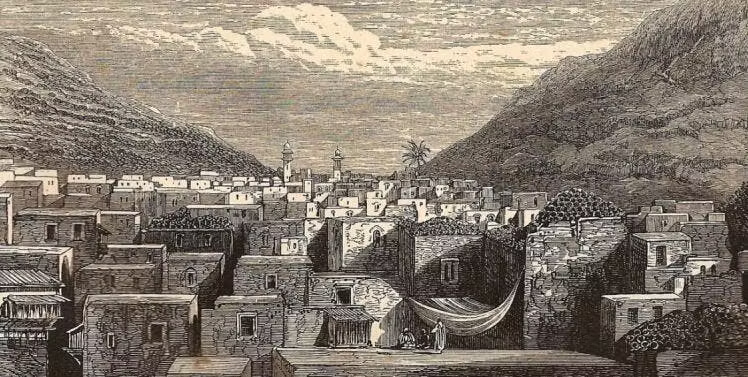
The soap-making method passed down through the Toubelet family
Queen Elizabeth I praised the soap highly , and it wasn't long before Palestinian soap, rich in beauty ingredients, became popular among European women.
During the British Raj (1920-1949), the British government had the soap analysed by a London laboratory in 1934 and certified that its ingredients were completely natural and free of added chemicals.
In the 1830s, John Bowring, a British political economist, traveller and former Governor of Hong Kong, described it as "a soap of great importance in the Levant (the historical name for the eastern Mediterranean region)."
The traditional handmade soap making method, which has been handed down in Palestine since the 10th century, is made using a special recipe handed down by the Tubeleh soap clan.
The soap laid out on the floor was shaped by soapmakers, and the beautiful geometric patterns created by the piles of soap have often been shown around the world.
The soap maker who cuts this soap is called a Tubeileh.
They are the family from which the soap makers' official name comes from . -
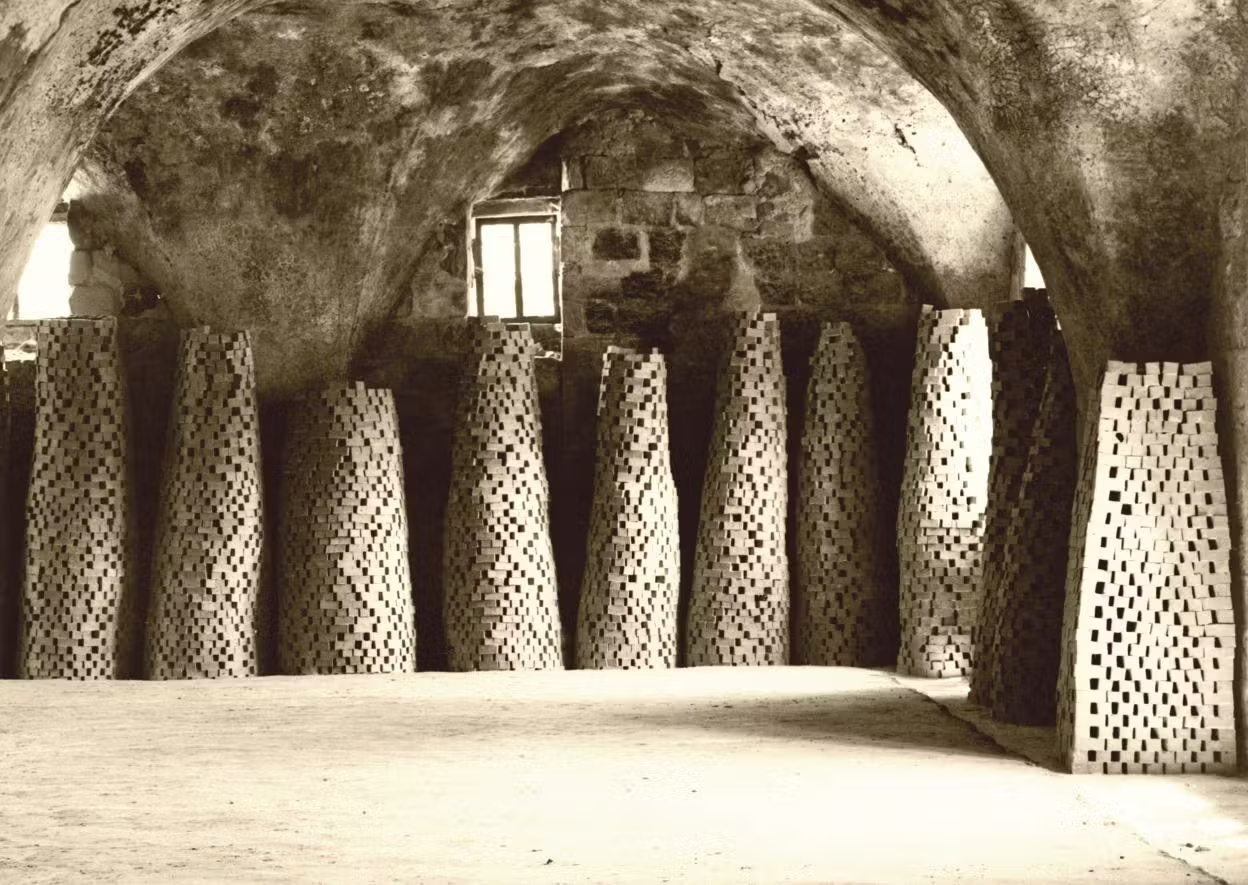
Registered as UNESCO Intangible Cultural Heritage
The Palestinian soap we currently sell in Japan, "Nabulus Soap," is a new soap created by the Toubele family, a high-grade model of organic soap newly developed for developed countries overseas.
Nabulus Soap has received the international organic certification Ecocert, and is sold as one of the world's oldest remaining soaps, a trusted certified soap with evidence that the raw materials used are free of chemical pesticides, synthetic fertilizers, environmental hormones, and genetically modified technology.
In December 2024, it was registered as a UNESCO Intangible Cultural Heritage in the midst of war. -
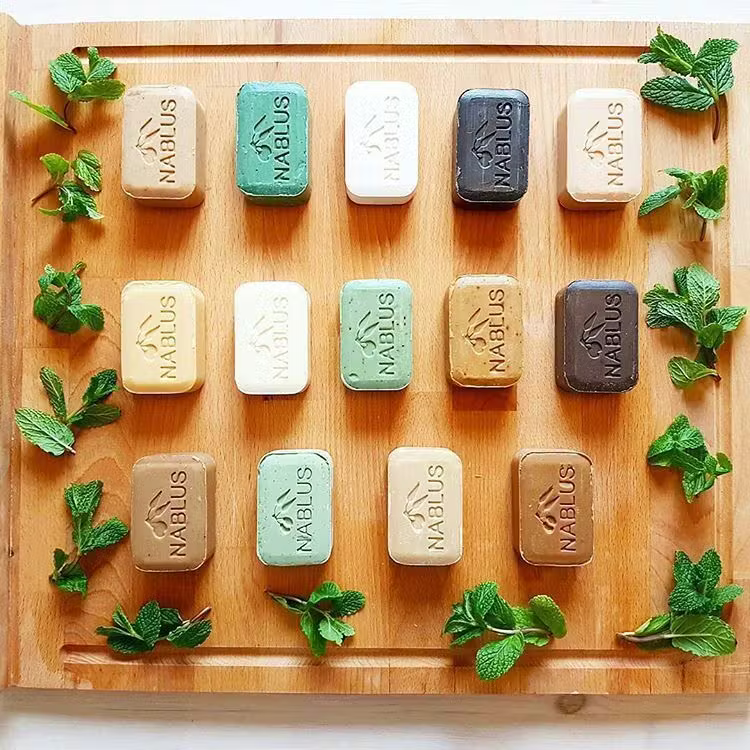
The products currently being sold are those manufactured up until 2023.
Furthermore, the soap factory explained that because the Ecocert certification organization has completely suspended the travel of its inspectors to the Palestinian area, any products manufactured in the future will no longer be granted Ecocert certification.
Olive fields, the main ingredient of olive oil, have also become battlefields, and olive harvests have declined significantly. -
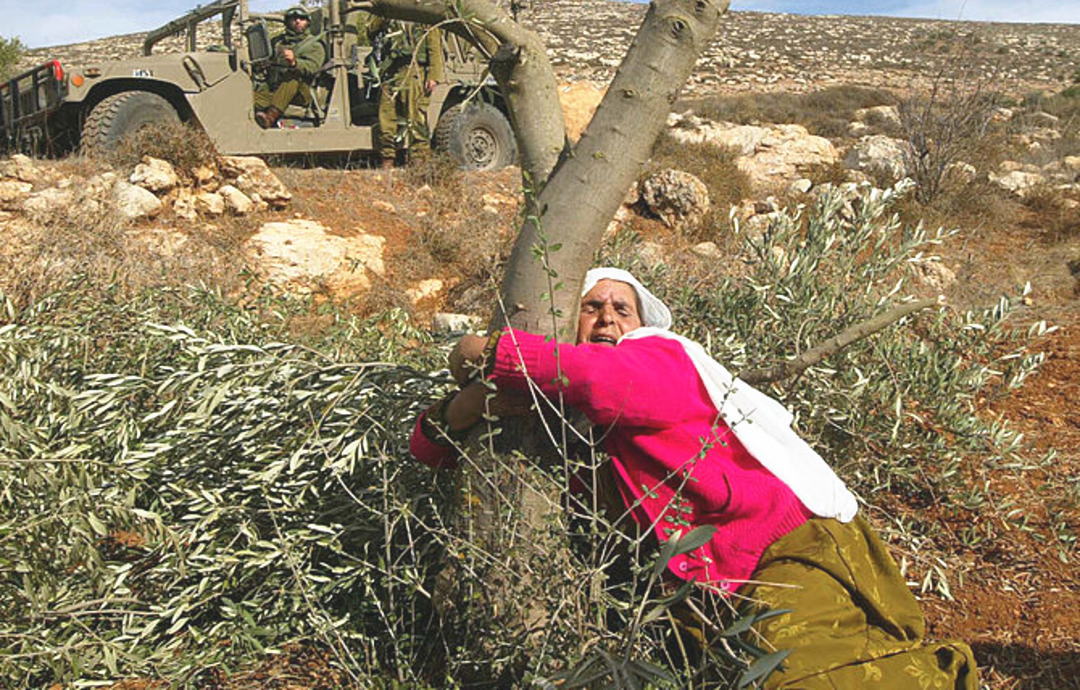
Land Seized, Olive Trees Destroyed
The worsening situation in the West Bank
Even if a ceasefire is agreed upon, settlement activity in the Palestinian West Bank will not stop.According to the United Nations Office for the Coordination of Humanitarian Affairs (OCHA), there have been more than 1,000 settler attacks on Palestinians since October last year, leaving 1,390 people, including 660 children, homeless.
The Palestinians have repeatedly accused security authorities of condoning such violent settler attacks on villages.Today, settlers are intensifying their land plundering in this area, and olive groves that have been protected by the Palestinian people for generations are being mercilessly cut down and burned.
The olive trees that had been carefully cultivated are being cut down one after another, and the assets that had supported families' lives are being taken away.The olive tree is a symbol of Palestine and a key part of people's livelihoods, but the decline in olive harvest has led to a significant drop in olive oil production, with serious repercussions for the country.
This is especially devastating for traditional soap factories like Nablus Soap, where the price of olive oil, the main raw material, has skyrocketed and supplies are running short.
-

Even free movement is not a given.
In the Palestinian West Bank, people must pass through checkpoints every day to get to work or school.
Even short distances can result in long waits.
It is also common for people to be unable to get to work on time.
Yet, people continue with their daily lives.
And it is in this environment that this soap is made.
-
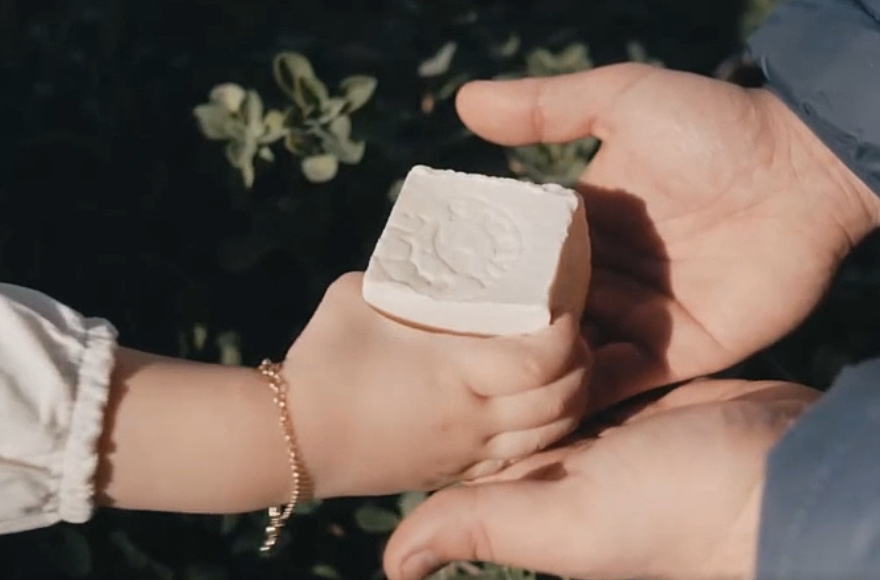
It is the artisans' joy to have their creations used by people in distant Japan.
By purchasing soap made in Palestine, you can support the local soap industry.
While the current depreciation of the yen has made prices higher, Palestinian artisans continue to produce this traditional soap with the strong desire for Japanese people to use it. -
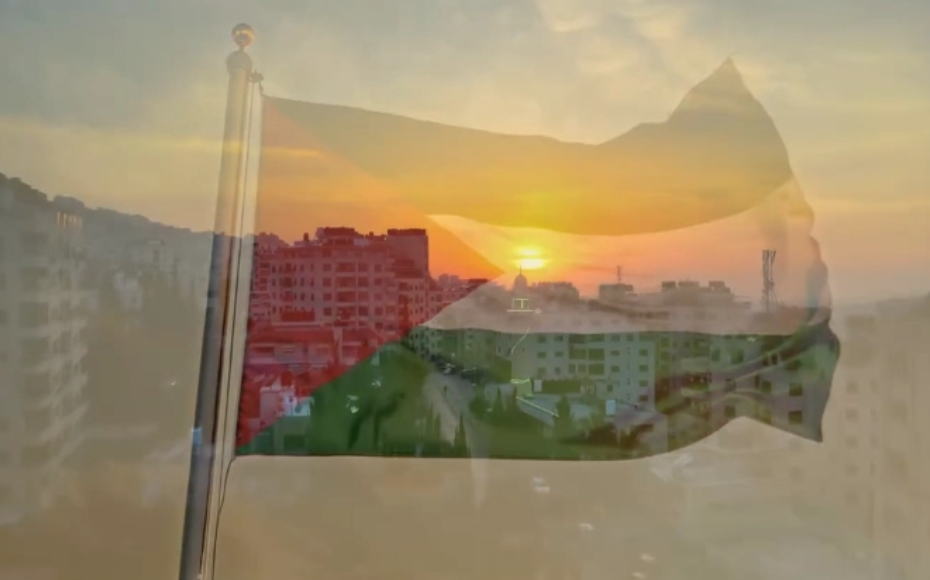
Traditional soaps passed down with unchanging passion
This soap is imbued with "feelings of peace and gratitude," a sentiment that has not changed since the company's founding , rather than "sadness or anxiety."
Even in the midst of war, that determination never wavered.Palestinian traditional soap with a long history and the damage caused by conflict.
We had no idea how many people would support our idea of sharing these two contradictory pieces of information, or how much backlash it would provoke.But this is not a "chance occurrence."
Every day, the lives of children and women are being lost, more than half of the olive groves that have existed for thousands of years have been destroyed, and even the survival of soap factories is in jeopardy.Still, we want to carry this tradition into the future.
We need your help now to protect this soap industry, which has supported the Palestinian economy. -
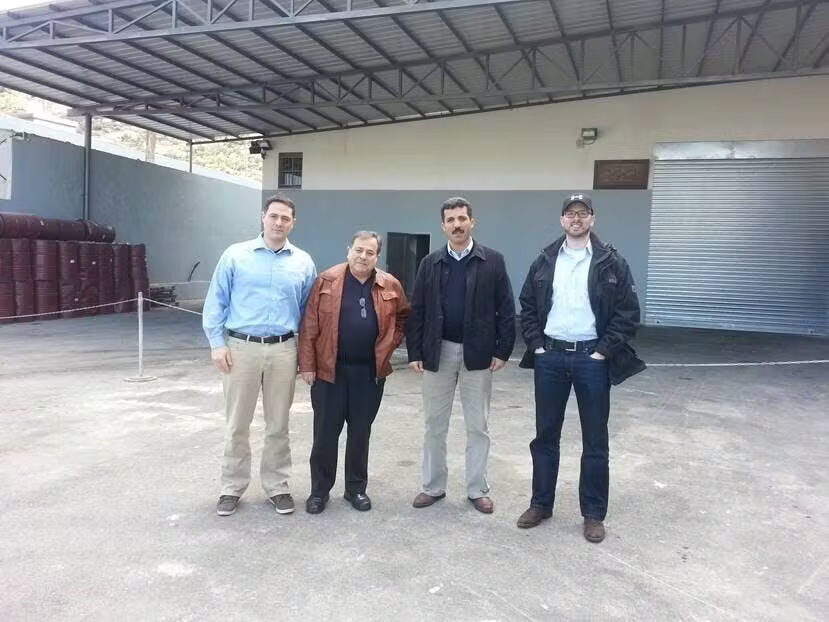
→ Below is some history, product information and background on Palestinian soap.
-
About Tradition
A traditional handmade soap making method that has been passed down in Palestine since the 10th century.
It is a "Family Secret" passed down in the Tubeileh soap clan.
The artisans who cut soap like stonecutters are called Tubeilehs .
They are the clan from which the term soapmakers originated. -
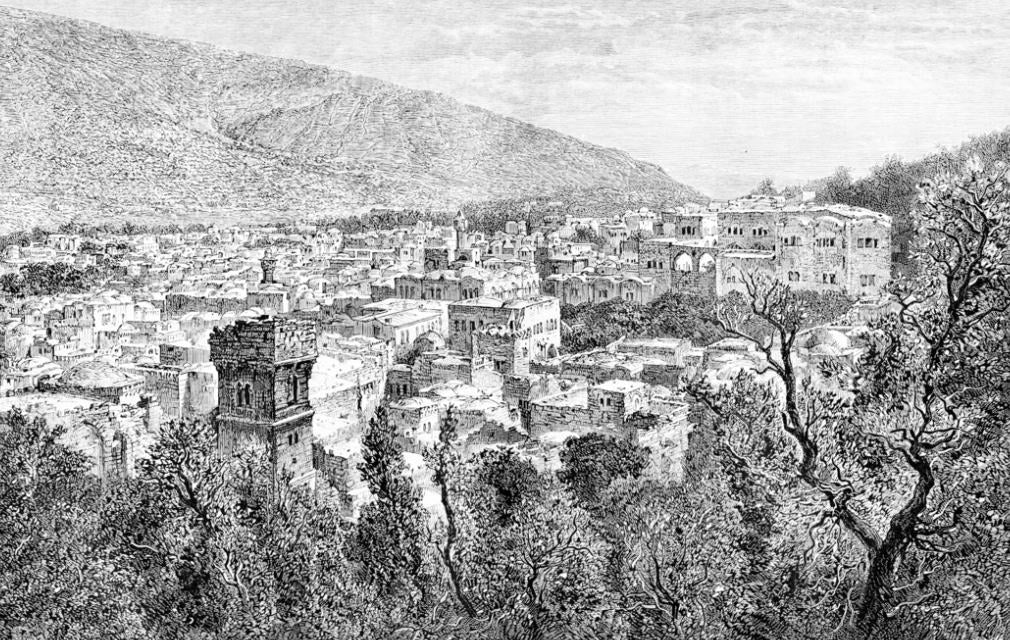
History
According to existing records, soap trade began in this region around the 10th century.
The small soaps that women in Nablus made for their own household use were distributed by the Bedouins to every corner of the Mediterranean islands in the 15th and 16th centuries, and from there they made their way to the British Queen Elizabeth I. Queen Elizabeth I praised the soap highly, and it wasn't long before Nablus soap, rich in beauty ingredients, became popular among European women.
During the British Raj (1920-1949), the British government had the soap analysed by a London laboratory in 1934 and certified that its ingredients were completely natural and free of added chemicals.
In the 1830s, John Bowring, a British political economist, traveller and former Governor of Hong Kong, described it as "a soap of great importance in the Levant (the historical name for the eastern Mediterranean region)." -
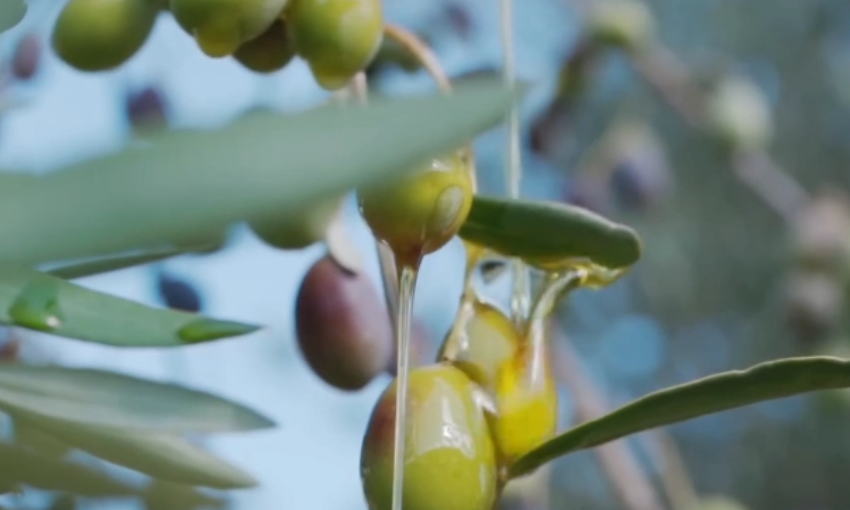
About the raw material virgin olive oil
The West Bank of Palestine is one of the areas famous for its olive oil production.
Olive trees have been cultivated in the region for thousands of years and have played an important role in Palestinian agriculture and culture.
The olive harvest takes place once a year, from early October to mid-November.
At this time of year, Palestinian rural areas are very lively. Farmers enjoy themselves as if they are holding festivals and celebrations.
The whole family participates from before sunrise to sunset, harvesting together regardless of age or gender.
If the fields are far away, we bring lunch and eat in the fields.
The scene is like a picnic.
Now, harvesting olives has become a life-risking task, and it is so dangerous for farmers to even go into the fields themselves that they are forced to outsource the harvesting work to outside companies. -
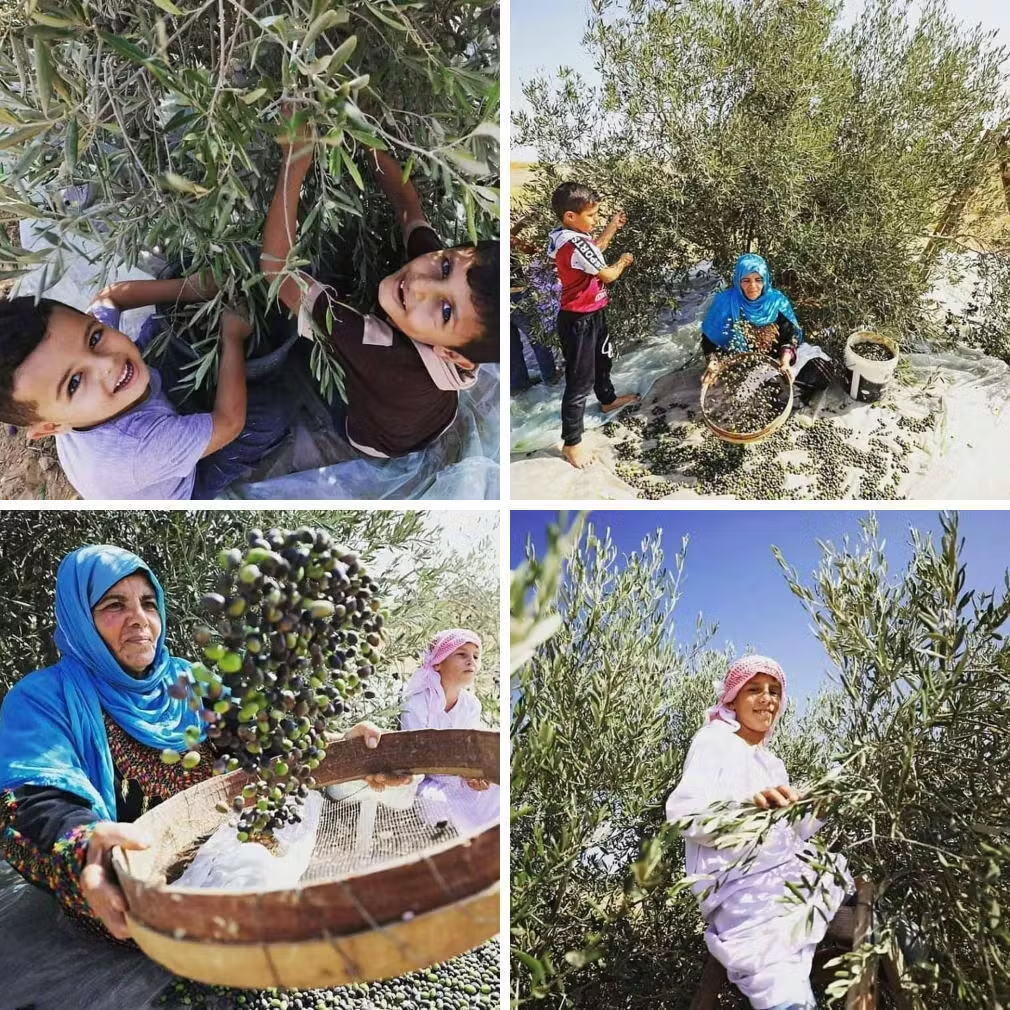
Palestinian olive harvesting is characterized by being done by hand, without the use of machinery.
The reason for insisting on hand-picking is the awareness that olives are precious to Palestinians.
Additionally, using machines can damage the olives, preventing the production of high-quality olive oil.
Palestinian virgin olive oil is known for its quality and distinctive flavor, and is highly regarded not only for domestic consumption but also in export markets.
It has won awards in many regional and international contests, and trade and certification based on fair trade principles also support the economic sustainability of farmers. -

About Nablus1611 Traditional Soap
Nablus 1611 Traditional Soap contains over 60-80% virgin olive oil and is made entirely from natural, vegetable ingredients, making it suitable for daily use. Nablus Soap contains no preservatives and is not tested on animals. Nablus Soap is made from 100% natural ingredients without the addition of synthetic substances, making it 100% biodegradable. This is not only good for your skin, but also for the environment.
Nablus 1611 traditional soap is an organic soap made with only a few natural ingredients based on a mixture of olive oil and salt. To maximize the power of the natural ingredients, it is made according to a recipe that has been passed down for over 400 years by the soap family of Toubere. The soap blocks are shaped by the maker Toubere and piled into characteristic geometric shapes. They must then be dried for several more months before they are suitable for use. The finishing touch is the inscription "NABLUS".


Customer Feedback
-
"Doesn't leave dry skin feeling tight"
In winter, I used to notice my face feeling tight after washing, but I was surprised at how moisturizing Nablus Soap was after rinsing.
I also feel like my toner absorbs better now. (Female, 30s, dry skin)
-
"Even with sensitive skin, I was able to use it without worry."
I was worried because so many soaps don't agree with my skin, but I can use this one without any irritation. I also feel reassured by the simple ingredients. (Female, 40s, sensitive skin)
-
"Easy for men to use too"
I like that it removes stickiness without making my skin feel tight.
The scent isn't too strong, and it's simple and easy to use, so I keep using it.
It's convenient that I can use just this one product for both my face and body. (Male, 40s) -
"Convenient for hair too, leaves the scalp feeling refreshed"
I also use it as a shampoo. It was a little squeaky at first, but I've gotten used to it over time.
My scalp feels refreshed and clean. (Female, 50s) -
"Can be used with children!"
Since it contains no unnecessary ingredients, I feel safe using it with my child.
It washes gently, and I'm happy that the whole family can use it. (Female, 30s, mother of a 1-year-old) -
"Simple yet satisfying"
To be honest, it looks plain, but I was convinced after using it.
It has no unnecessary fragrance or ingredients, and feels natural to use.
It's a soap I want to use for a long time. (Male, 40s)
Certifications held by Nabuls Soap
-

ECOCERT ORGANIC COSMETICS
French organic certification is said to be the strictest in the world
-

ECOCERT NATURAL COSMETICS
French organic certification is said to be the strictest in the world
-

Halal Certification
Certified by the Palestine Standards Institute (PSI)
-

Cruelty Free
No animal testing


Frequently Asked Questions
Nablus Soap Q&A
Can it be used on sensitive skin?
Made with simple ingredients, it can be used by those with sensitive skin.
For those with sensitive skin, we recommend "Natural Olive" or "Traditional Soap."
*However, as individual results may vary, we recommend a patch test if you have concerns.
Can it be used on oily skin?
Yes, you can use it.
It cleanses thoroughly, removing excess sebum and dirt, while leaving essential moisture intact.
It's also recommended for those who want to balance their skin, as it minimizes the tight feeling often caused by over-washing.
Can this be used for infants and toddlers?
Yes, it can be used.
As it is an additive-free soap, many people use it with their families.
Please use it while observing your skin's condition.
Can it be used on hair?
Yes, you can use it as a shampoo.
It may feel a bit stiff at first, but you'll gradually get used to it.
Does it have a scent?
Since no artificial fragrances are used, the scent is natural, derived from olives and natural herbs.
What is the proper way to store it?
Drain well and store in a well-ventilated place. It will last longer.
Why is there variation in color and shape?
Since some processes are done by hand, there are individual differences in each item. There are no issues with the quality.
Why haven't you renewed Ecocert certification?
This is because the local situation continues to make it impossible for inspectors to visit. The manufacturing process and quality remain unchanged.
*The soaps currently being delivered were manufactured in 2023, so they bear the Ecocert logo.
Isn't it more expensive than other soaps?
At first glance, it might seem expensive, but Nablus Soap is made with olive oil as its main ingredient, and crafted with time and effort using traditional methods that have been passed down for 1000 years.
Additionally, transportation options from Palestine are currently very limited, and shipping costs have soared.
Furthermore, it can be used not only on the face but on the entire body, allowing for full-body care with just one product.
Its ability to provide simple and efficient care is another reason why it's chosen by many.
What is the shelf life of soap?
Nablus Soap does not have an expiration date. It is a soap with low moisture content that slowly matures over time.
As it ages, it becomes harder, less likely to dissolve, and lasts longer.
Like wine, it is a natural blessing that increases in value over time.
Store in a cool, well-ventilated place away from direct sunlight and high temperatures and humidity.
About Shipping
We usually ship within 2 business days.
If the item is out of stock, it will be sourced from Palestine. (Noted separately)
As sea freight from Palestine is currently unavailable, all shipments are sent by air, and due to export restrictions and taxes, it may take some time.
In the unlikely event of a significant delay or if the soap cannot be delivered due to the worsening situation in Palestine, we will issue a full refund.
Certification and quality assurance of the Nabuls soap we handle
Our company is a business that has officially obtained licenses for the "Cosmetics Manufacturing Industry" and "Cosmetics Manufacturing and Sales Industry."
Therefore, the Nabulus soap we handle is not a miscellaneous item but an officially imported cosmetic product, and is imported and sold through official channels.
In addition, products manufactured by December 2023 will be certified organic by ECOCERT.
On the other hand, new Ecocert certifications have not been obtained since 2024. This is because it is difficult for inspection agency staff to enter Palestine, which is considered a dangerous area.
However, the ingredients and manufacturing methods used have not changed at all, and the product maintains the same quality and safety as before.
Furthermore, Nabulus Soap is Halal certified, so it can be used safely from a religious perspective.
All ingredients are officially approved and can be used with confidence.
About international shipping
We also ship internationally via DHL. Orders over ¥30,000 qualify for free shipping.
Payment Method
We accept VISA, Master Card, JCB, American Express, Diners Club, Apple Pay, Google Pay, PayPal, Yamato Pay Later, and Yamato Collect (Yamato Transport's cash on delivery service).
*If you do not wish to use a credit card, you can use the Yamato Postpay Service.
Personal Information
The personal information acquired will be used for the shipping address, name, and phone number for the shipping slip for this project, as well as progress reports, and will be deleted immediately upon request.
inquiry
For inquiries regarding Nabulus Soap, please contact us using the form below.
[Palestine's Last Soap Factory] Nablus Soap, Traditional Palestinian Soap